



Dental erosion is one of the main causes of tooth wear. Unlike cavities, it isn’t directly caused by bacteria, but by the action of acids on the enamel and dentin.
Among its possible causes are certain eating habits, frequent consumption of acidic drinks, and some medical conditions, like gastroesophageal reflux.
When this exposure continues over time, the teeth can gradually lose some of their structure, affecting not only the look of your smile but also sensitivity, bite, and oral function. That’s why, at the first signs of wear, it’s a good idea to get a dental check-up.
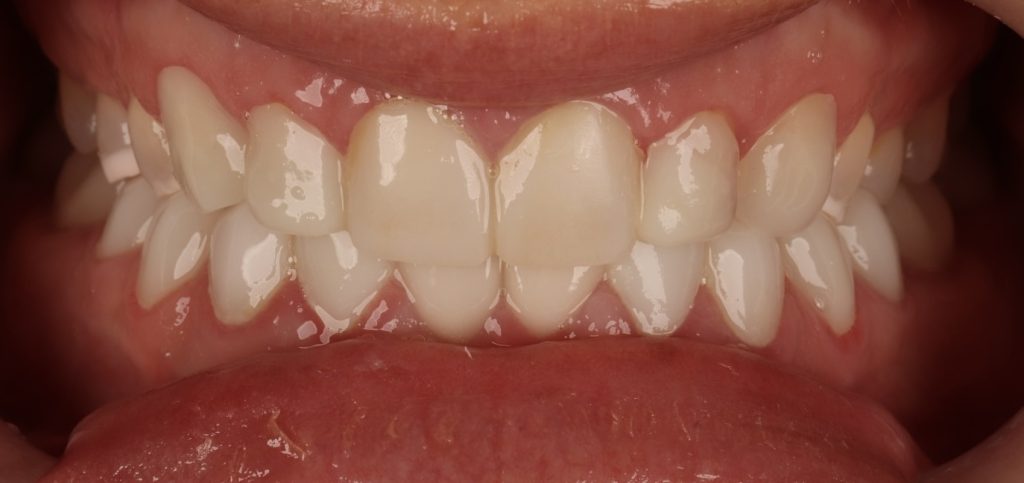
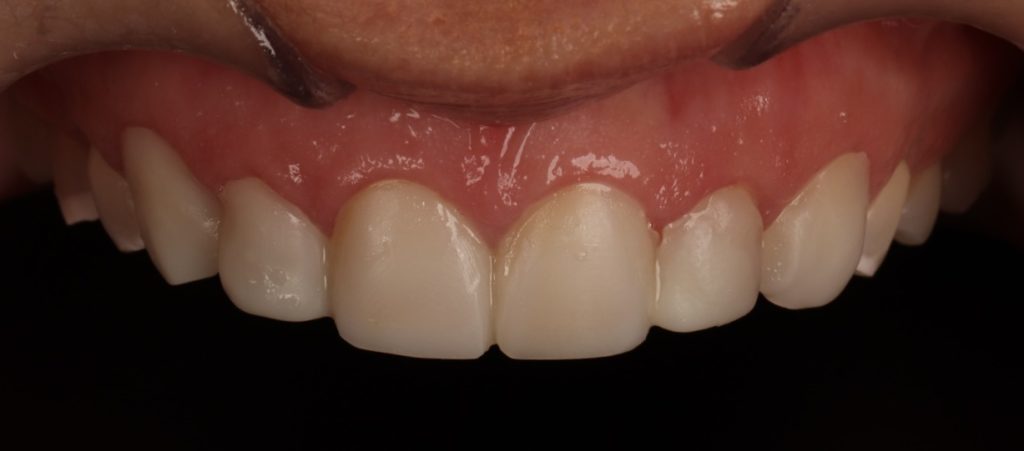
A clinical case with a double challenge: function and aesthetics
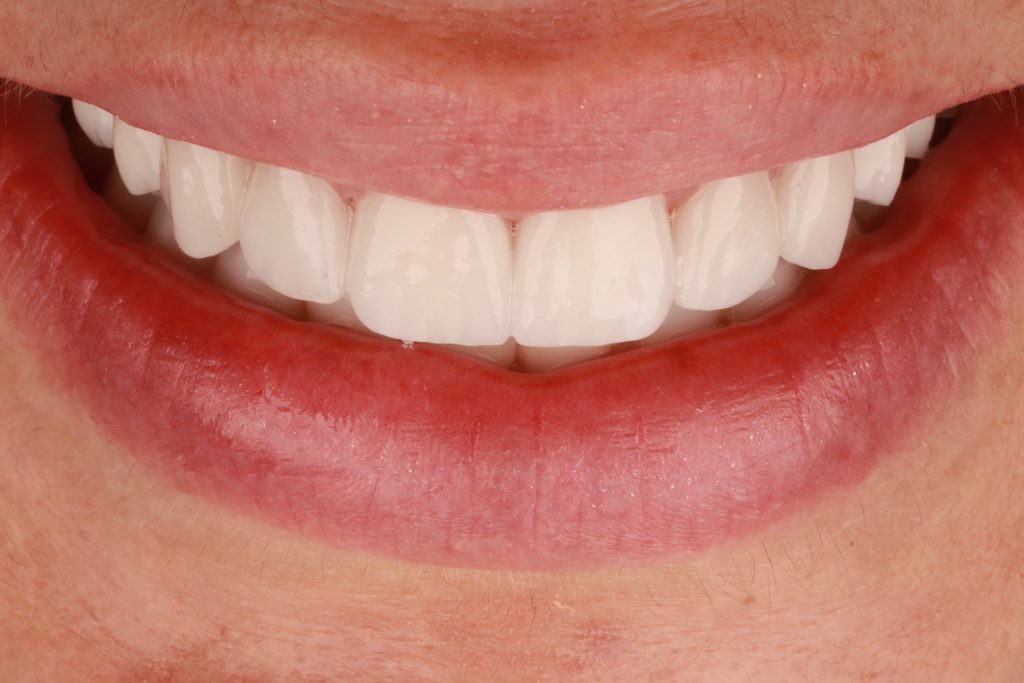
At IDEM, Dr. Alfonso Díaz presents the case of a young patient with gastroesophageal reflux and significant loss of dental structure due to erosion.
In these cases, what we do is restore the lost tooth structure, improving both oral function and aesthetics. They go hand in hand, and these are minimally invasive procedures.
— Dr. Alfonso Díaz
A rehabilitation of this type is not just about improving the appearance of the teeth. Before starting the treatment, it’s necessary to study how the teeth fit together, how the bite works, and how much of the dental structure is preserved. From there, a solution is designed that combines health, stability, and a natural look.
How can reflux affect your teeth?
Gastroesophageal reflux can cause the acidic contents of the stomach to rise up into the esophagus and, in some cases, reach the mouth. Repeated exposure to these acids can lead to the wearing down of tooth surfaces, especially when there are other risk factors.
Some signs that may indicate the need for a check-up are:
- Teeth that are getting shorter or showing visible changes in their shape.
- Greater sensitivity to cold, heat, or sweet foods.
- Thinner, transparent, or uneven tooth edges.
- Small fractures or loss of dental material.
- Changes in your bite or trouble chewing.
- Widespread wear without an apparent cause.
These signs alone do not allow for a diagnosis. Wear can have different causes—erosion, attrition, abrasion, or bite issues—so each case needs to be looked at individually and, when necessary, coordinated with the doctor treating reflux.
Restore while preserving as much of the tooth as possible
When there is a loss of structure, the goal is to restore it in the most conservative way possible. Modern restorative dentistry allows you to bring back volume, shape, and function through minimally invasive techniques.
The choice of treatment will depend, among other factors, on the amount of dental tissue preserved, the degree of wear, the bite, the presence of sensitivity or fractures, and the patient’s aesthetic and functional needs.
In certain cases, adhesive restorations and other dental aesthetic solutions can be used. Also, tools like digital planning, clinical photographs, or bite records help anticipate the outcome and personalize the treatment.
The priority is always to preserve as much healthy tooth structure as possible and achieve a restoration that blends naturally with the rest of the teeth.
The importance of a complete diagnosis
Just treating the visible wear isn’t always enough. To get a stable long-term result, it’s also important to identify and manage the factors that caused the erosion.
During the evaluation, the condition of the enamel and dentin, the distribution of wear, the bite, the presence of fractures or sensitivity, and certain eating and hygiene habits can be examined.
In patients with reflux, follow-up is also important. Maintaining good oral hygiene, going to check-ups, and following the instructions of both the dentist and the doctor responsible for the reflux helps protect the treatment outcome.
Dr. Alfonso Díaz’s experience in aesthetics and oral rehabilitation
Dr. Alfonso Díaz runs his exclusive practice in prosthodontics and dental aesthetics. He graduated in Dentistry from the Catholic University of Valencia and has a postgraduate degree in Oral Implantology and Prosthetics from Miguel Hernández University.
He is also an adjunct professor in the Master’s program in Implant Surgery, Prosthetics, and Peri-implantology at Alfonso X El Sabio University, a member of SEPES — Spanish Society of Dental Prosthetics —, a national speaker, and co-author of scientific articles. Before his university studies in Dentistry, he also trained as a dental prosthetics lab technician.
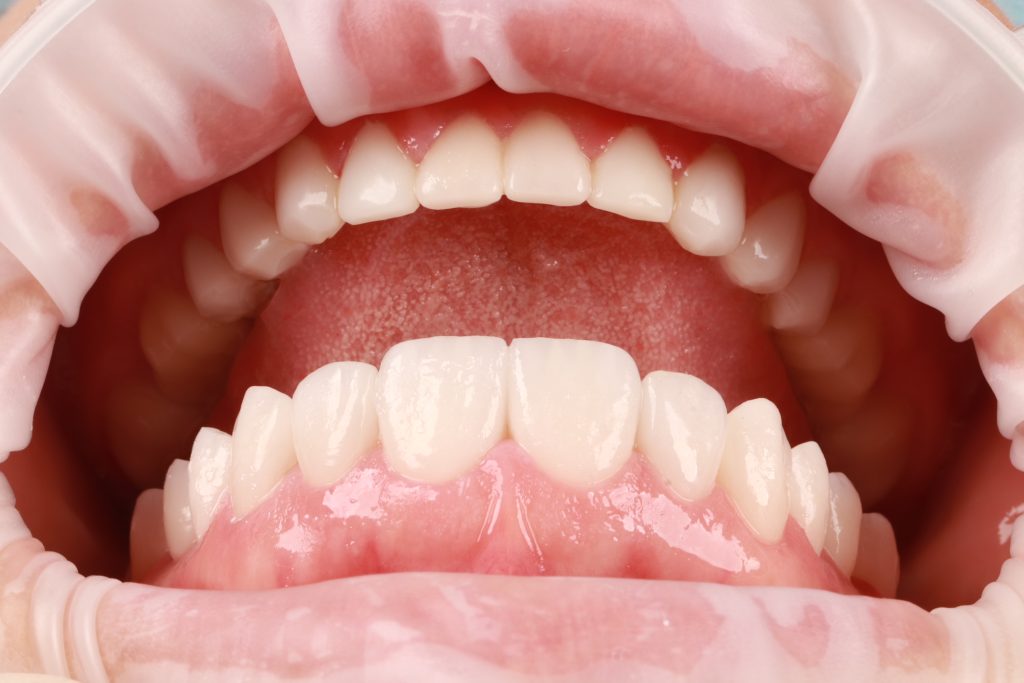
This combination of clinical, teaching, and prosthetic experience allows them to approach restorative treatments from a functional and aesthetic perspective, tailored to each patient.
Getting your smile back is also getting back comfort and confidence
Dental erosion can progress gradually and go unnoticed for a while. Detecting it in time allows for conservative treatments and prevents the loss of structure from continuing to affect oral function.
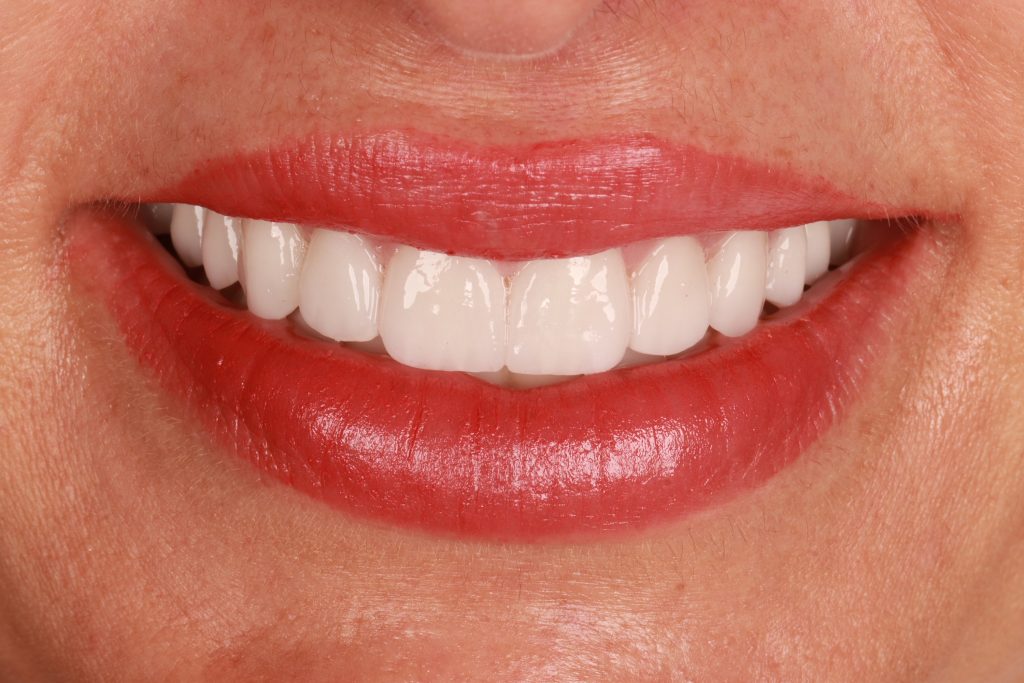
If you notice sensitivity, changes in the shape of your teeth, or progressive wear, ask for an evaluation. At IDEM Dental, we will study your case and explain the options available to restore the health, function, and appearance of your smile through a personalized treatment.


—
The information in this article is for general purposes and does not replace a professional examination or diagnosis. The recommended treatment depends on each patient’s clinical situation.